رَمْزُنَا

Ramzunā - رَمْزُنَا
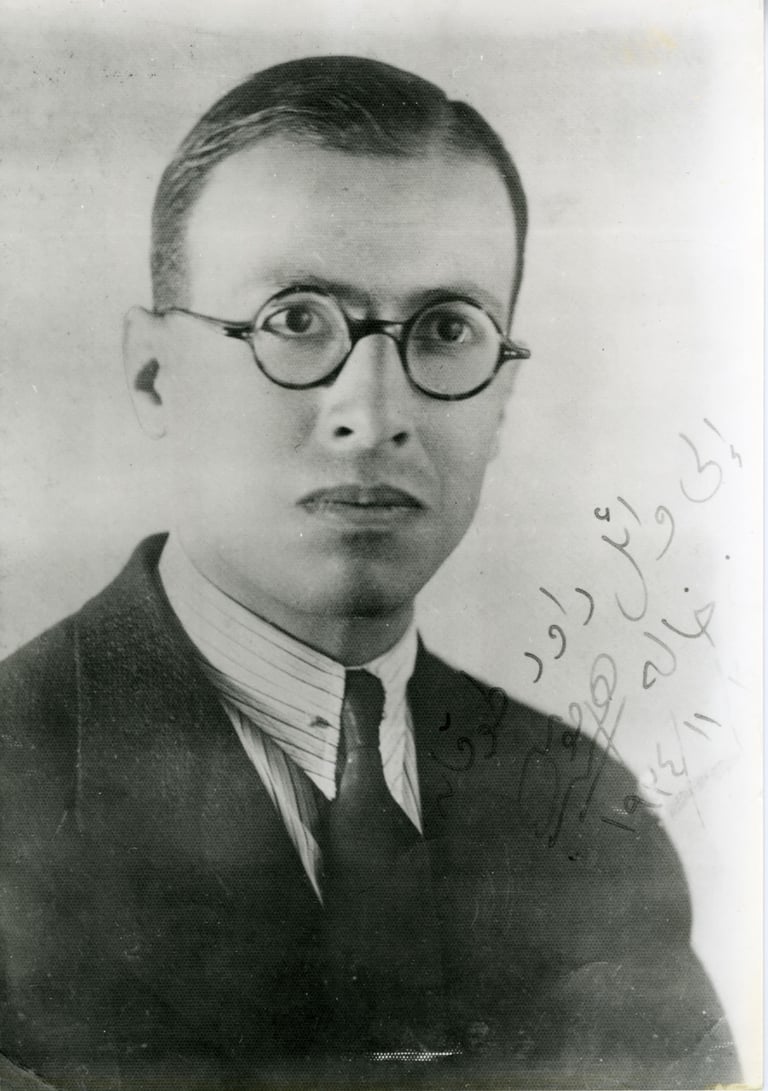
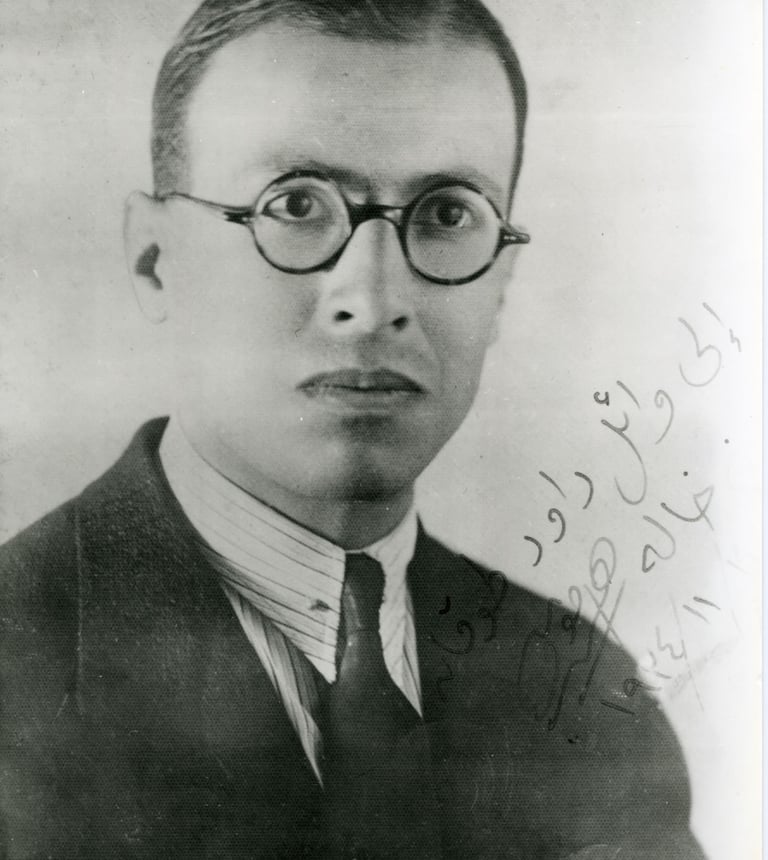
The name Ramzunā is derived from the Arabic word Ramz (symbol), while the suffix -nā adds the collective meaning Our Symbol. It is inspired by the poem Mawtini, which the Palestinian poet Ibrahim Tuqan wrote in 1934.
The poem Mawtini has long held a significant place in Palestinian cultural memory, expressing dignity, self-sacrifice, patience, and connection to the land. Over decades, it served as the unofficial national anthem of Palestine, preserved and sung as an affirmation of belonging in the face of displacement.
Ramzunā Languages draws inspiration from this cultural reference to express commitment to education as continuity and as a means for individual empowerment and self-determination, without claiming to represent the voices or experiences of all Palestinians.
The poem Mawtinī
My homeland, My homeland
Glory and beauty, Sublimity and splendor
Are in your hills, Are in your hills
Life and deliverance, Pleasure and hope
Are in your air, Are in your Air
Will I see you? Will I see you?
Safe and comforted, Sound and honored
Will I see you in your eminence?
Reaching to the stars, Reaching to the stars
My homeland, My homeland
My homeland, My homeland
The youth will not tire, 'till your independence
Or they die, Or they die
We will drink from death
And will not be to our enemies
Like slaves, Like slaves
We do not want, We do not want
An eternal humiliation
Nor a miserable life
We do not want
But we will bring back
Our storied glory, Our storied glory
My homeland, My homeland
The sword and the pen
Not the talk nor the quarrel
Are our symbols, Are our symbols
Our glory and our covenant
And a duty to be faithful
Moves us, moves us
Our glory, Our glory
Is an honorable cause
And a waving standard
O, behold you
In your eminence
Victorious over your enemies
Victorious over your enemies
My homeland, my homeland