Our Name
The story behind the name Ramzunā, and the poem that inspired it.
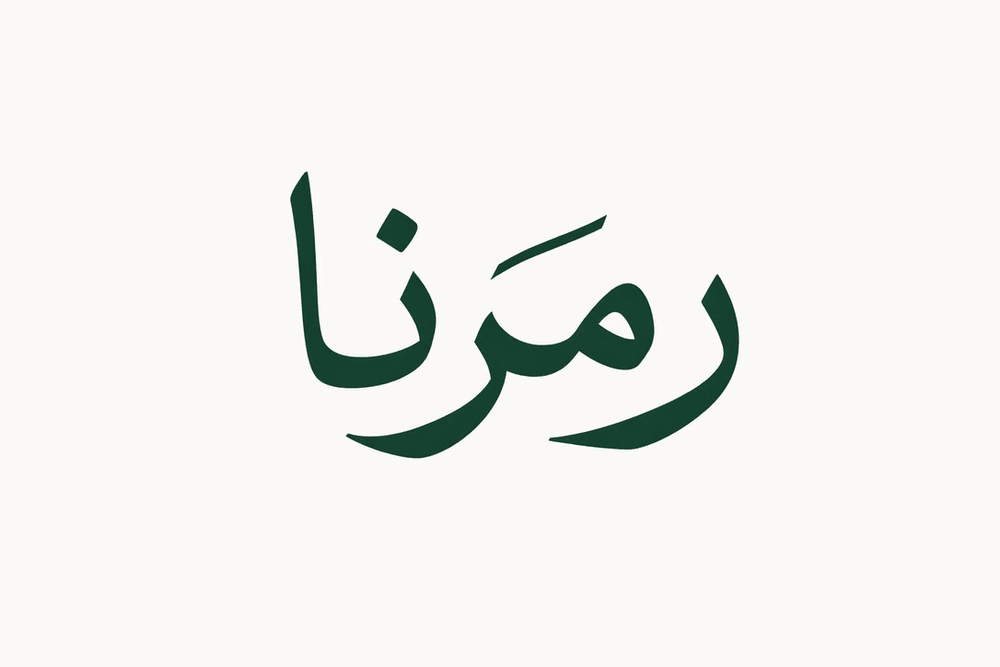
Ramzunā
رَمْزُنَا
The name Ramzunā is rooted in the Arabic word Ramz (symbol). It becomes “Our Symbol” by adding the suffix -nā.
It is a name we chose deliberately: a symbol of Palestinian identity, resilience, and the right to be heard — carried into every lesson we teach.
Where our name comes from
رَمْزُنَا رَمْزُنَا
“Our symbol, our symbol”
The refrain from the final stanza of Mawtinī — the line that gave Ramzunā Languages its name.
The Inspiration
Our name is a tribute to the 1934 poem Mawtinī (“My Homeland”), by the Palestinian poet Ibrahim Tuqan.
For decades, this poem served as the unofficial national anthem, preserved and sung as an affirmation of belonging in the face of displacement and erasure. In 2004 its melody was formally adopted as the national anthem of Iraq.
Today, Mawtinī remains one of the most widely recited poems across the Arab world — taught to children, sung at gatherings, and carried by Palestinians wherever they are.
The Poet
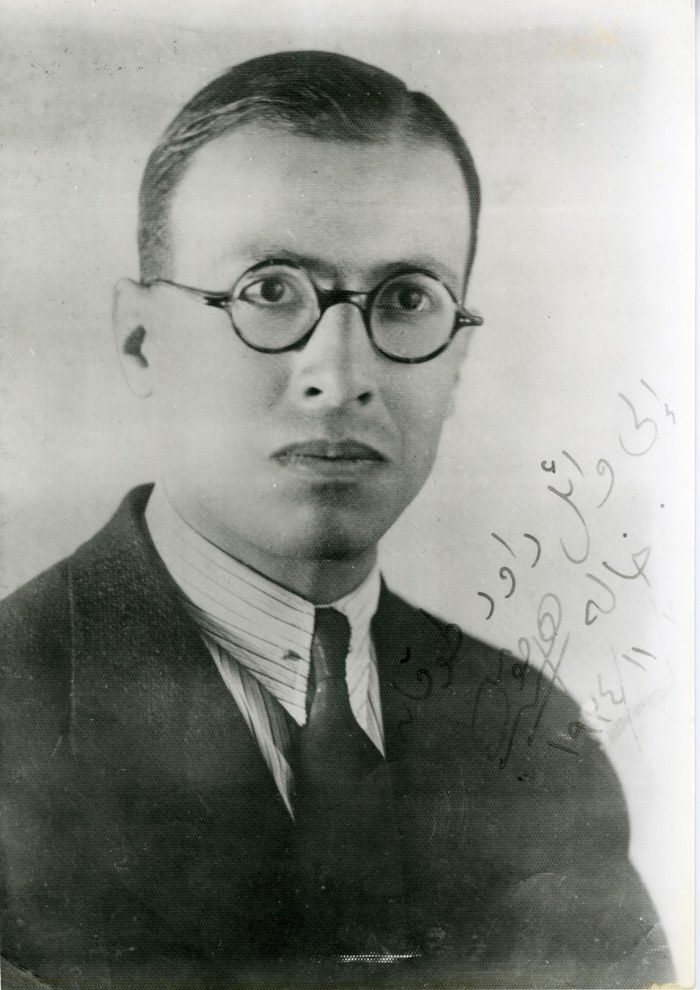
Ibrahim Tuqan
Nablus, Palestine · 1905–1941
Tuqan taught Arabic literature in Nablus and Beirut before his words became a rallying cry for Palestinian identity — a fitting echo of our own mission.
Public domain portrait, Wikimedia Commons
What It Stands For
In the verses of Mawtinī, we find the values that drive our mission:
Dignity & Patience
The resilience to keep learning.
Connection to Land
Education as a form of sumud.
Empowerment
Language as a path towards self-determination.
Ramzunā Languages draws on this cultural reference to fuel our commitment to education.
My homeland, My homeland Glory and beauty, Sublimity and splendor Are in your hills, Are in your hills Life and deliverance, Pleasure and hope Are in your air, Are in your air Will I see you? Will I see you? Safe and comforted, Sound and honored Will I see you in your eminence? Reaching to the stars, Reaching to the stars My homeland, My homeland
مَوْطِنِي مَوْطِنِي اَلْجَلَالُ وَالْجَمَالُ وَالسَّنَاءُ وَالْبَهَاءُ فِي رُبَاكْ فِي رُبَاكْ وَالْحَيَاةُ وَالنَّجَاةُ وَالْهَنَاءُ وَالرَّجَاءُ فِي هَوَاكْ فِي هَوَاكْ هَلْ أَرَاكْ هَلْ أَرَاكْ سَالِمًا مُنَعَّمًا وَغَانِمًا مُكَرَّمًا هَلْ أَرَاكْ فِي عُلَاكْ تَبْلُغُ السِّمَاكْ تَبْلُغُ السِّمَاكْ مَوْطِنِي مَوْطِنِي
My homeland, My homeland The youth will not tire, 'till your independence Or they die, Or they die We will drink from death And will not be to our enemies Like slaves, Like slaves We do not want, We do not want An eternal humiliation Nor a miserable life We do not want But we will bring back Our storied glory, Our storied glory My homeland, My homeland
مَوْطِنِي مَوْطِنِي اَلشَّبَابُ لَنْ يَكِلَّ هَمُّهُ أَنْ يَسْتَقِلَّ أَوْ يَبِيدْ أَوْ يَبِيدْ نَسْتَقِي مِنَ الرَّدَىٰ وَلَنْ نَكُونَ لِلْعِدَىٰ كَالْعَبِيدْ كَالْعَبِيدْ لَا نُرِيدْ لَا نُرِيدْ ذُلَّنَا الْمُؤَبَّدَا وَعَيْشَنَا الْمُنَكَّدَا لَا نُرِيدْ بَلْ نُعِيدْ مَجْدَنَا التَّلِيدْ مَجْدَنَا التَّلِيدْ مَوْطِنِي مَوْطِنِي
The sword and the pen Not the talk nor the quarrel Are our symbols, Are our symbols Our glory and our covenant And a duty to be faithful Moves us, moves us Our glory, Our glory Is an honorable cause And a waving standard O, behold you In your eminence Victorious over your enemies Victorious over your enemies My homeland, My homeland
اَلْحُسَامُ وَالْيَرَاعُ لَا الْكَلَامُ وَالنِّزَاعُ رَمْزُنَا رَمْزُنَا مَجْدُنَا وَعَهْدُنَا وَوَاجِبٌ مِنَ الْوَفَاء يَهُزُّنَا يَهُزُّنَا عِزُّنَا عِزُّنَا غَايَةٌ تُشَرِّفُ وَرَايَةٌ تُرَفْرِفُ يَا هَنَاكْ فِي عُلَاكْ قَاهِرًا عِدَاكْ قَاهِرًا عِدَاكْ مَوْطِنِي مَوْطِنِي
The poem’s refrain “Ramzunā” — “our symbol” — is where our name comes from.
More About Ramzunā Languages
Learn more about our mission, our values, and the team behind our work.
About Us